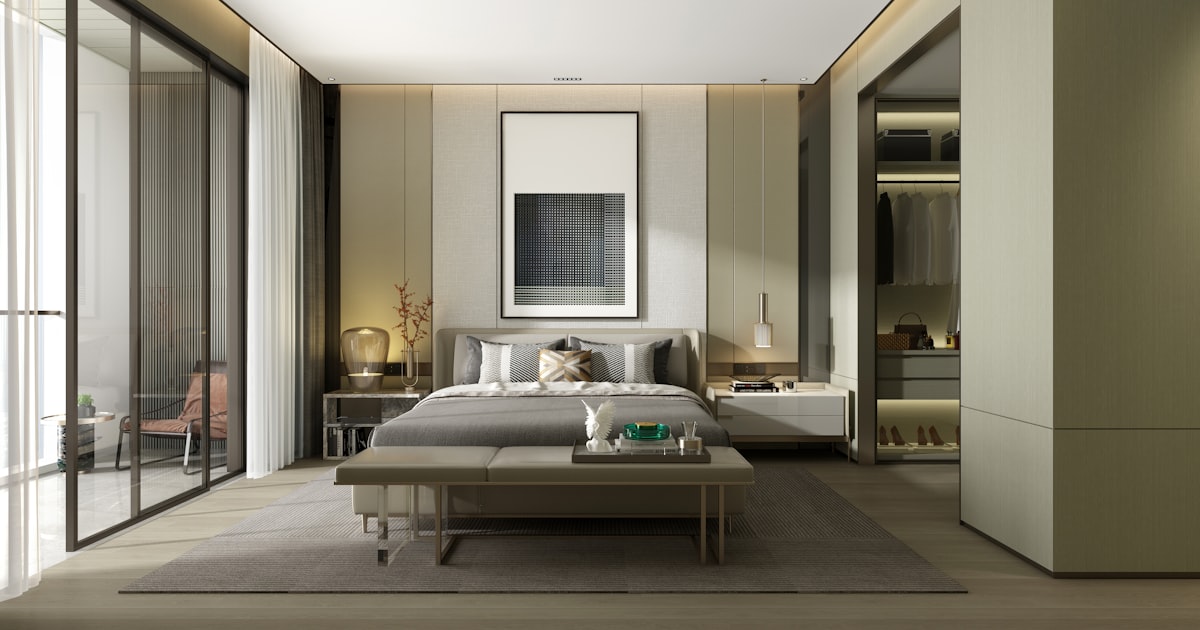
The safest feng shui bedroom colors are soft earth tones, muted greens and gentle blues, and bright red, black and high-contrast patterns are the ones to avoid. The right choice for your specific room also depends on which direction it faces and what you are actually trying to fix, whether that is sleep, romance or calm.
Why Color Matters in Your Bedroom
Color is not just decoration. It is one of the five feng shui elements (wood, fire, earth, metal, water), and every color maps to an element. The element balance in your room affects how the space feels. Too much fire energy (reds, oranges, bright pinks) and the room feels stimulating. Too much water energy (deep blacks, dark blues) and it can feel heavy or cold. Your bedroom should lean toward earth and wood elements for most people, which means warm, grounded, natural tones.
There is one often quoted number here, and it is worth knowing where it comes from. In 2013 the hotel chain Travelodge surveyed 2,000 British households and reported that people with blue bedrooms slept an average of 7 hours 52 minutes a night, against 5 hours 56 minutes for purple. That is a company survey of its own market rather than peer reviewed research, so treat it as a straw in the wind rather than a finding. It is quoted here because you will meet it everywhere else, usually with the hotel chain left out.
Your bedroom walls are the largest surface in the room. Whatever color they are, that is the dominant energy in your space. Choose intentionally, not just based on what looked good on Pinterest.
The Five Elements and Their Colors
Wood element: greens and browns. Wood energy supports growth, vitality, and new beginnings. Sage green, olive, moss, and light wood tones all bring wood energy. Best for bedrooms where you want to feel refreshed and renewed.
Fire element: reds, oranges, pinks, and purples. Fire energy is passion, visibility, and intensity. A little goes a long way in a bedroom. A single terracotta accent pillow adds warmth. An entire red wall adds anxiety. Use fire colors as small accents, never as the main wall color.
Earth element: yellows, beiges, tans, and warm neutrals. Earth energy is grounding, stable, and nurturing. This is the safest choice for most bedrooms. Warm beige, sand, cream, and soft terracotta create a cocoon-like feeling that supports rest.
Metal element: whites, greys, and metallics. Metal energy is precision, clarity, and calm. White and light grey bedrooms feel clean and spacious but can lean cold without warm accents. Good for people who want a minimal, uncluttered feel.
Water element: blues and blacks. Water energy is depth, reflection, and rest. Soft blue-greys and muted navy can work well. Avoid deep black or very dark blue on walls, as it can make a bedroom feel heavy and cave-like, especially in smaller rooms.
The 60-30-10 rule works well here: 60% of the room in your base color (walls), 30% in a secondary tone (bedding, curtains, rug), and 10% in accents (pillows, art, lamp). This creates balance without overthinking it.
Pick Your Color Based on What You Want to Fix
This is where it gets personal. Instead of asking "what is the best feng shui color," ask "what do I actually need from this room right now?"
If you need better sleep: lean into earth tones and soft blues. Warm beige walls with white bedding and a blue-grey throw. Keep the palette low contrast and muted. Nothing bright, nothing that pops. Your eyes should be able to rest on every surface.
If you want more romance: add small touches of pink, peach, or warm rose. Not hot pink. Think blush, dusty rose, or soft coral as accent pillows or a throw blanket. Pairs of objects in warm tones reinforce partnership energy. A pair of rose-colored candles on matching nightstands does more than an entire pink wall.
If you feel stuck or low energy: bring in wood element. A sage green accent wall, real plants (not faux), or a piece of art with green and brown tones. Wood energy is about growth and upward movement, which counteracts stagnation.
If you feel anxious or overstimulated: go full earth. Sand, warm white, cream. Remove anything bright or loud. This is about dialing everything down so your nervous system gets the message that this room is for rest.
Colors Based on Your Bedroom's Direction
If you want to go a level deeper, the compass direction your bedroom faces determines which element naturally dominates the room. You can either strengthen that element with matching colors or balance it with complementary ones.
North-facing bedrooms are water element. They tend to feel cooler and darker. Warm earth tones (beige, sand, cream) balance the water energy and prevent the room from feeling cold. Avoid adding more blue or black.
South-facing bedrooms are fire element. They get the most natural light and warmth. Cool greens and earth tones keep the energy from becoming too intense. Avoid red or orange walls in south-facing rooms.
East and southeast-facing bedrooms are wood element. They get morning light. Earth tones and gentle greens complement the natural wood energy well. These rooms tend to feel balanced already.
West and northwest-facing bedrooms are metal element. Warm earth tones and soft yellows add warmth to the cooler metal energy. These rooms can feel stark with all-white walls, so add texture through linen bedding or a woven rug.
Southwest and northeast-facing bedrooms are earth element. Lucky you, earth is the most restful element for sleep. Lean into it with warm neutrals. Add small touches of metal (white, grey) for clarity or fire (pink, peach) for romance.
Not sure which direction your bedroom faces? Use the compass app on your phone. Stand in the center of your room and face the largest window. The direction you are facing is roughly your room's orientation.
Colors to Avoid in Any Bedroom
Bright red on walls. It raises heart rate and blood pressure. Fine for a restaurant, terrible for sleep.
All black or very dark walls. Unless your room has enormous windows and tons of natural light, dark walls shrink the space and create heaviness that works against rest.
High-contrast patterns. Black and white stripes, bold geometric wallpaper, anything that creates strong visual contrast. Your eyes have nowhere to rest, and that keeps your mind active.
Neon or very saturated colors. Electric blue, lime green, hot pink. These are yang energy colors that activate rather than calm. Save them for a home office or creative studio.
Cool grey without warm accents. Grey is having a moment in interior design, but grey bedrooms without any warmth (wood, cream, plants) can feel clinical and emotionally flat. If you go grey, add warm textures.
Next Steps
Start by identifying what you want to fix (sleep, romance, energy, calm) and choosing your color palette from the recommendations above. Then check your room's compass direction and see if the element association supports or conflicts with your color choice.
Remember that walls are not the only surface. Bedding, curtains, rugs, and accent pieces all contribute to the color balance. Sometimes switching out a duvet cover is all it takes to shift the energy without repainting anything.
See this for your own address
Color is one layer. The direction your whole house faces is a separate one, and it is free to check. Enter your address to see yours.
Frequently asked questions
What is the best feng shui color for a bedroom?
Soft earth tones like warm beige, sand, and cream are the safest feng shui bedroom colors for most people. They promote grounding and rest. The ideal color also depends on your room's compass direction and what you want to improve, whether that is sleep quality, romance, or calm energy.
Is blue a good feng shui bedroom color?
Soft, muted blues are good for bedrooms, especially for promoting sleep. The Travelodge survey mentioned above put blue bedrooms at nearly eight hours a night, and while that is a hotel chain's own poll rather than research, blue is the shade most people describe as restful when asked. Avoid very dark navy or bright electric blue. Light blue-grey works particularly well as an accent with earth-toned walls.
Should I paint my bedroom green for feng shui?
Sage green and muted olive are excellent feng shui bedroom colors, especially if you feel stuck or want to encourage growth and renewal. Green represents the wood element. Avoid bright or lime greens, which are too stimulating for sleep. Sage green works well as an accent wall paired with warm neutral tones.
Is red bad for a bedroom in feng shui?
Red on walls is too stimulating for a bedroom. It represents the fire element and can increase heart rate and alertness, which works against sleep. Small red accents like a throw pillow or candle can add a touch of passion without overwhelming the room. Never paint bedroom walls red.
What feng shui color is best for romance?
Soft pink, blush, dusty rose, and warm peach tones support romance in feng shui. Use them as accent colors (pillows, throws, candles) rather than wall paint. Pairs of objects in warm tones reinforce partnership energy. Combine pink accents with earth-toned walls for the best balance of romance and rest.
Does it matter which direction my bedroom faces for color choice?
Yes. Each compass direction is associated with a feng shui element: north is water, south is fire, east/southeast is wood, west/northwest is metal, and southwest/northeast is earth. The recommended wall color depends on whether you want to strengthen or balance your room's natural element energy.
--- ---